Give Every Arm on Your Roster a Fighting Chance

A step-by-step program that shows Little League and travel ball coaches how to spot the movement problems behind UCL (elbow ligament) injuries — before they happen, and without a medical degree.

Thousands of youth pitchers suffer UCL injuries every year, some before they ever throw a high school pitch. It’s easy to point at pitch counts. Coaches get blamed. But most don’t have access to the science that shows the real story: the elbow is usually the last domino to fall, not the first.

Built by a Biomechanist Coaches Actually Trust

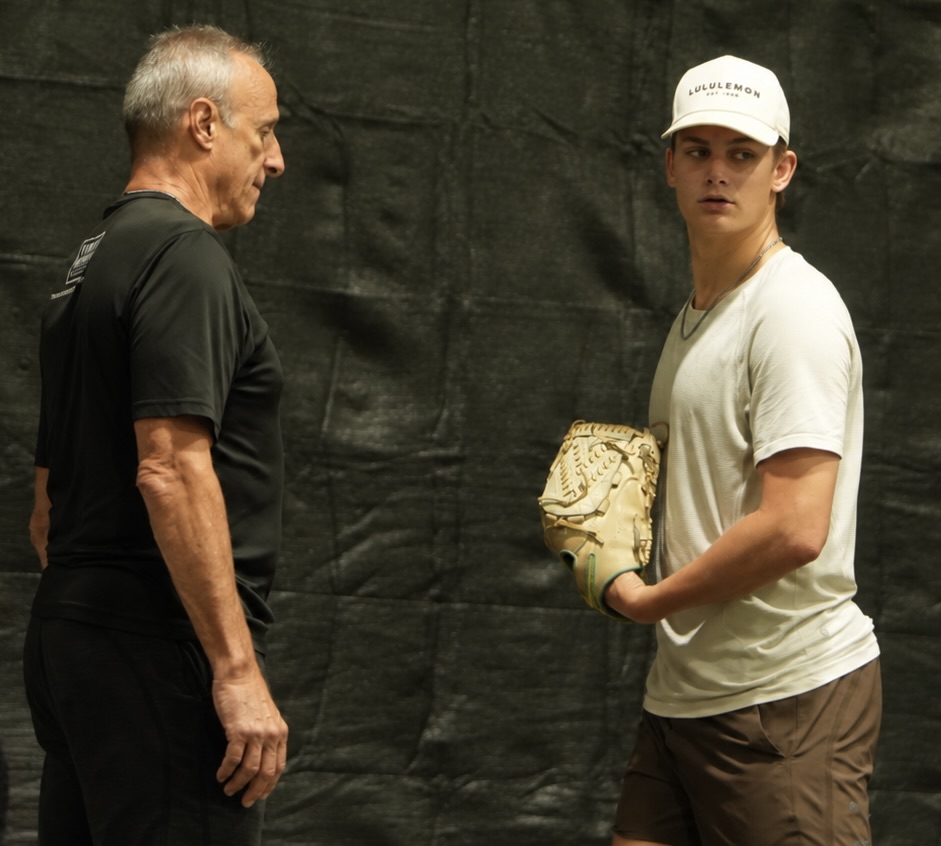
Chuck Wolf has spent decades studying how the body moves — and turned it into a program any coach can run, no medical background required:
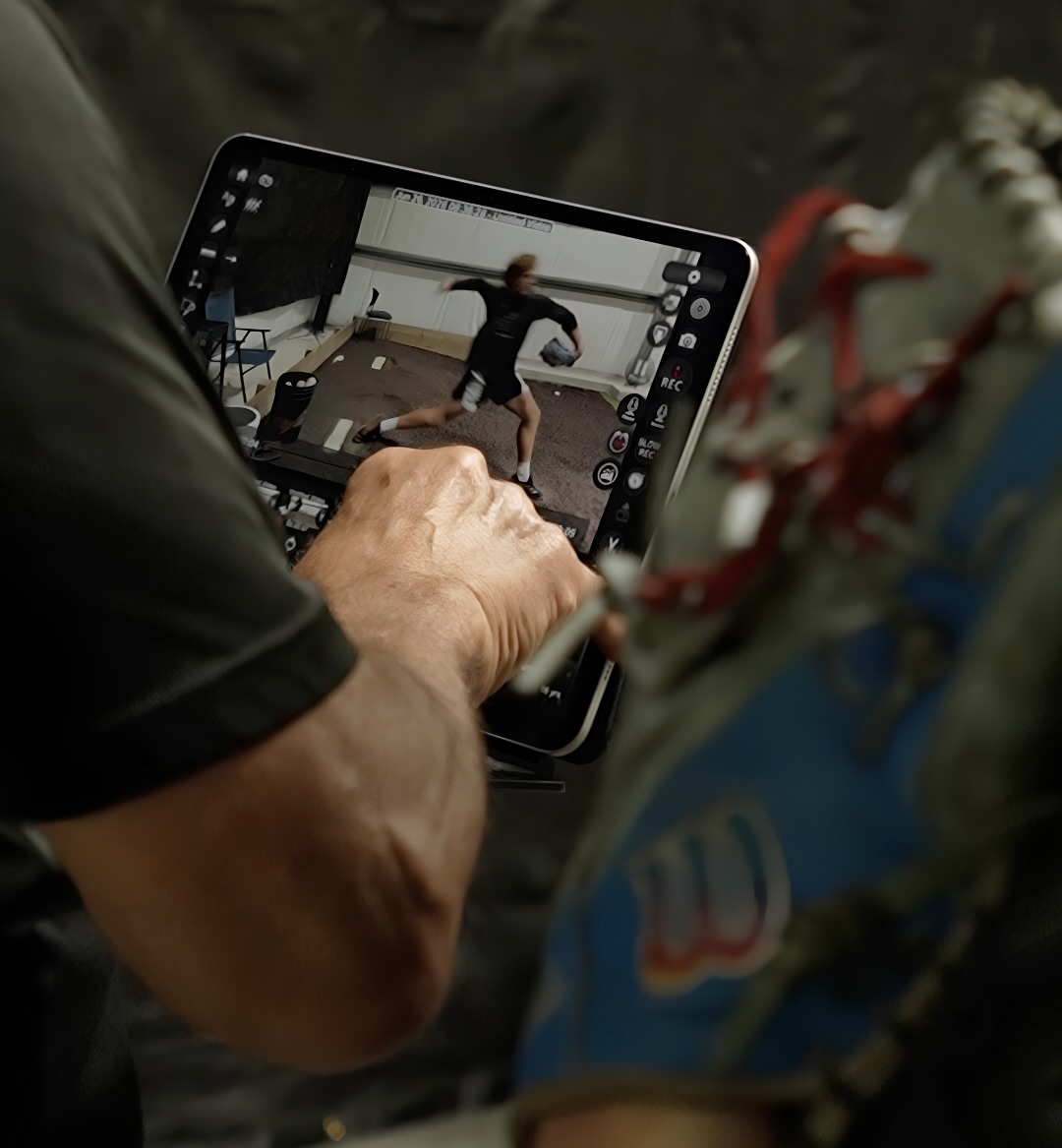
  • Spot dysfunctional movement before it becomes an injury
  • Teach athletes drills that build durability, not just velocity
  • Coach with confidence, backed by real science
  • Keep more players on the field, all season long

Is This Program Right for You?

Whether it’s your first season coaching Little League or your tenth year running varsity, this program was built for you if you’re…

  • A volunteer or parent coach in Little League or travel ball
  • A high school, college, or professional coach
  • A pitching coach trying to keep injuries off your roster
  • An athletic trainer, strength coach, or team assistant who wants practical tools
  • A parent of a pitcher who wants to protect their kid’s arm

If you’ve ever worried about losing a player to elbow pain or surgery, you’re in the right place.

I’ve had two elbow surgeries in my career, which data suggests should typically be 4–5 years apart, yet I was able to extend the gap to 16 years, with 15 of those at the professional level. Working with Chuck Wolf taught me that throwing involves far more than just the elbow, and that knowledge helped me evaluate and address movement patterns throughout each season. The elbow isn’t the problem—it’s the result of underlying issues elsewhere in the body.
Shane Greene
MLB Pitcher

Meet the Coaches' Coach

Chuck Wolf’s journey began on the baseball diamond, where he experienced firsthand the physical demands and challenges of playing professionally. His time in the game sparked a deeper curiosity about how the body works, how athletes move, and why so many players face recurring injuries.

After his playing career, he pursued a Master of Science in Exercise Physiology, specializing in applied biomechanics, which became the foundation of his life’s work.

Over the past four decades, he has worked with more than 30,000 clients, ranging from youth athletes and rehabilitation patients to elite performers across Major League Baseball, the NBA, the NFL, Olympic programs, golf tours, and track and field. His ability to bridge science with application has made him a trusted resource for athletes, coaches, and organizations around the world.

Chuck Wolf, Founder of Human Motion Associates, has spent decades redefining athletic performance and injury resilience through his groundbreaking work in biomechanics and chain reaction pathways. His next chapter focuses on one of sports medicine’s most pressing challenges—the ulnar collateral ligament, often linked to “Tommy John surgery”—bringing innovative strategies to both treat and prevent these injuries. I’ve sent my athletes to Chuck for years and highly recommend his transcendent approach to athletic elbow care.
Robert Masson, M.D.​
Founder Masson Spine Institute, Orlando, FL​

What You'll Get:

Step-by-step video breakdowns of the exact movement flaws that put the UCL at risk
Coach checklists to flag red-flag mechanics during warmups and bullpens — before pitch count ever enters the conversation
Lifetime access, so you can revisit lessons as your roster changes every season
New drills and findings added as Chuck’s ongoing UCL research continues
When I developed elbow pain in high school, my coach sent me to Chuck, who quickly suspected a serious issue and referred me to a top orthopedic surgeon. After my diagnosis, Chuck’s gait and motion analysis revealed limited hip mobility and flawed mechanics, including an overly long stride that stressed my elbow. With his guidance, I rehabbed, improved my mechanics, and now throw more efficiently with greater command and velocity while reducing stress on my arm.
Luke H
2nd Year College Pitcher