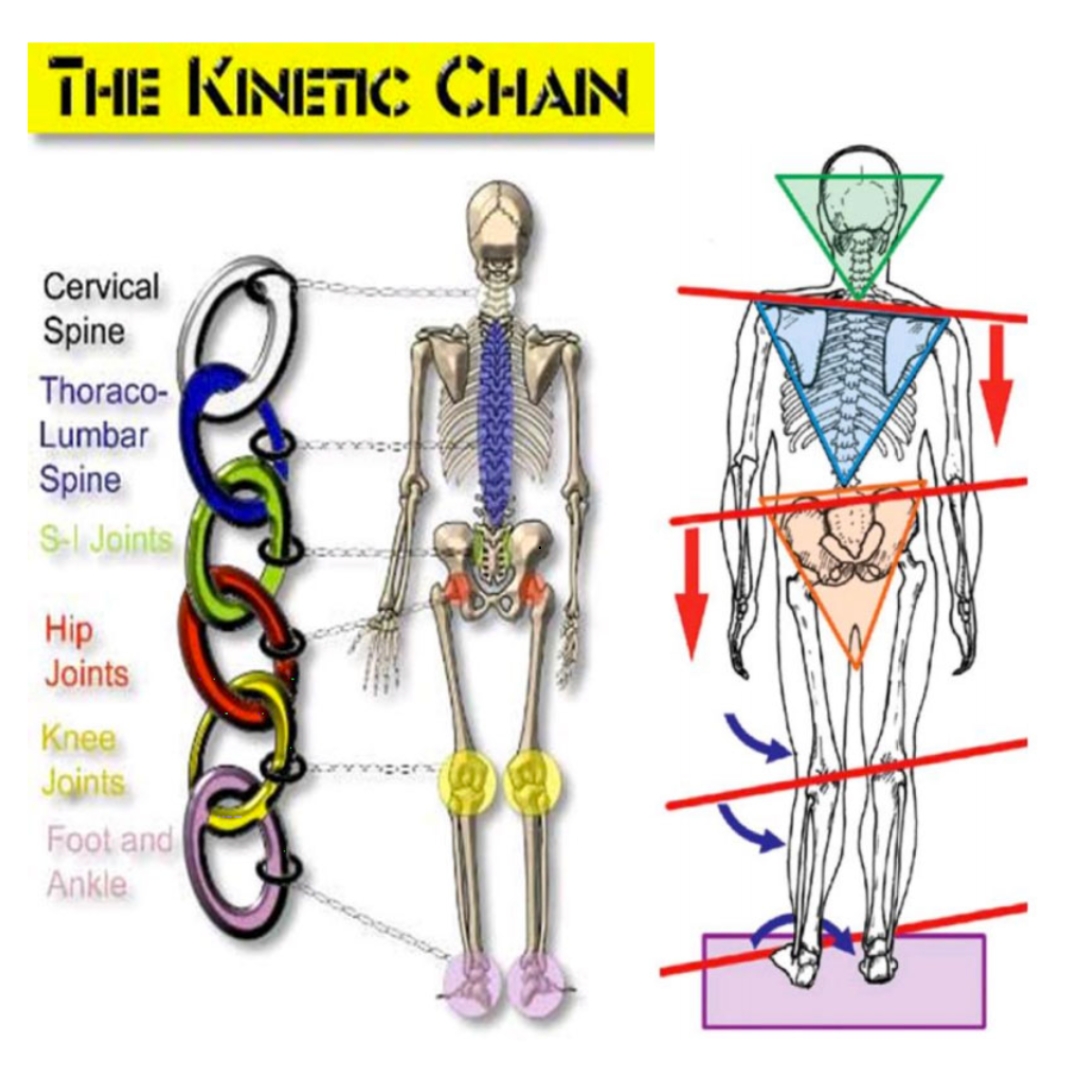
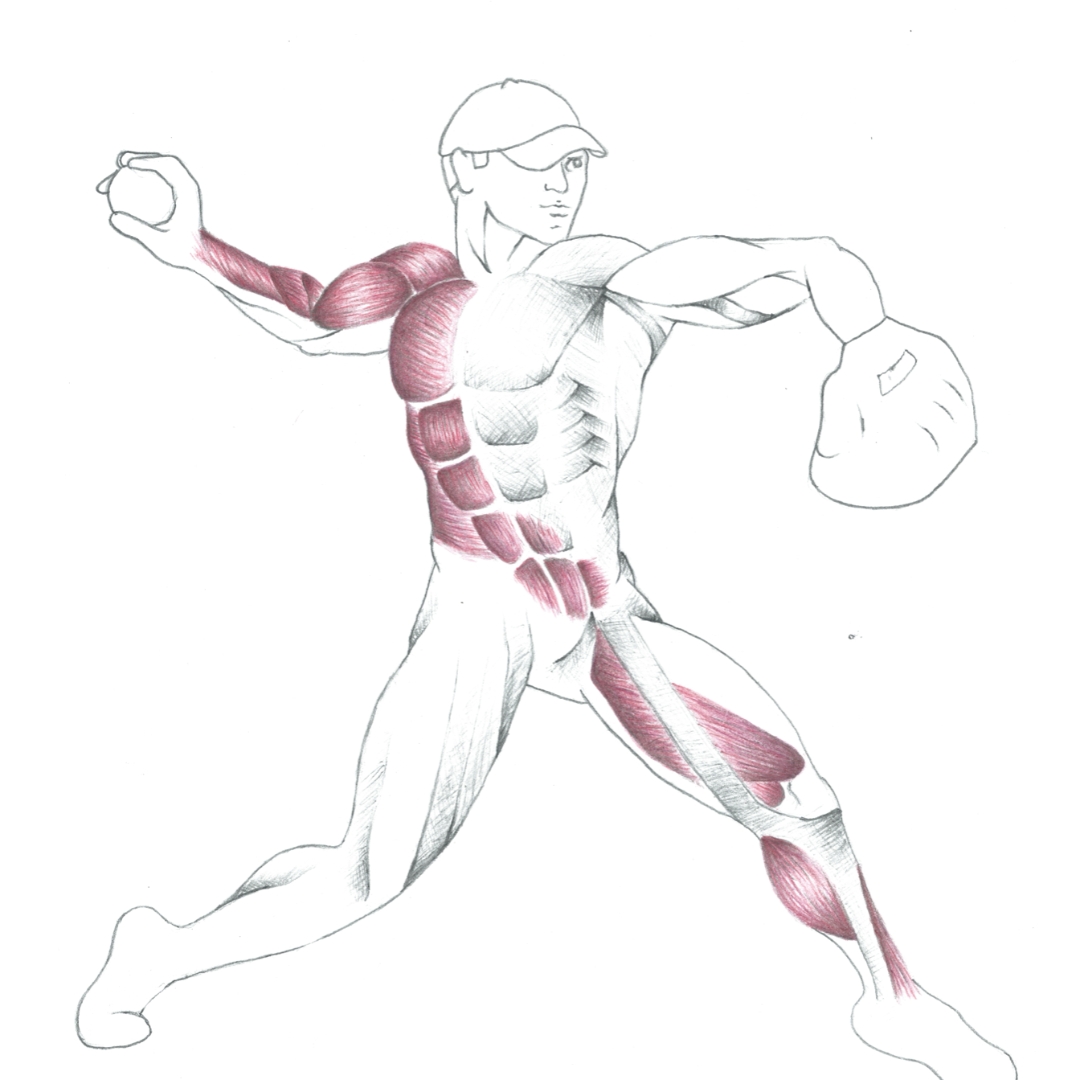
Baseball coaches talk endlessly about the knee during pitching — keeping it stable, keeping it inside, keeping it aligned. But here’s the truth: the knee has almost nothing to do with shin angle. In fact, the knee is the dumbest joint in the body. It’s a hinge joint caught between two far more influential drivers — the foot and the hip.
The knee simply reacts. It never initiates.
If you want to understand why a pitcher moves the way he does, stop coaching the knee and start coaching the why behind its movement. And the “why” begins with how the foot interacts with the ground and how the hip loads and rotates.
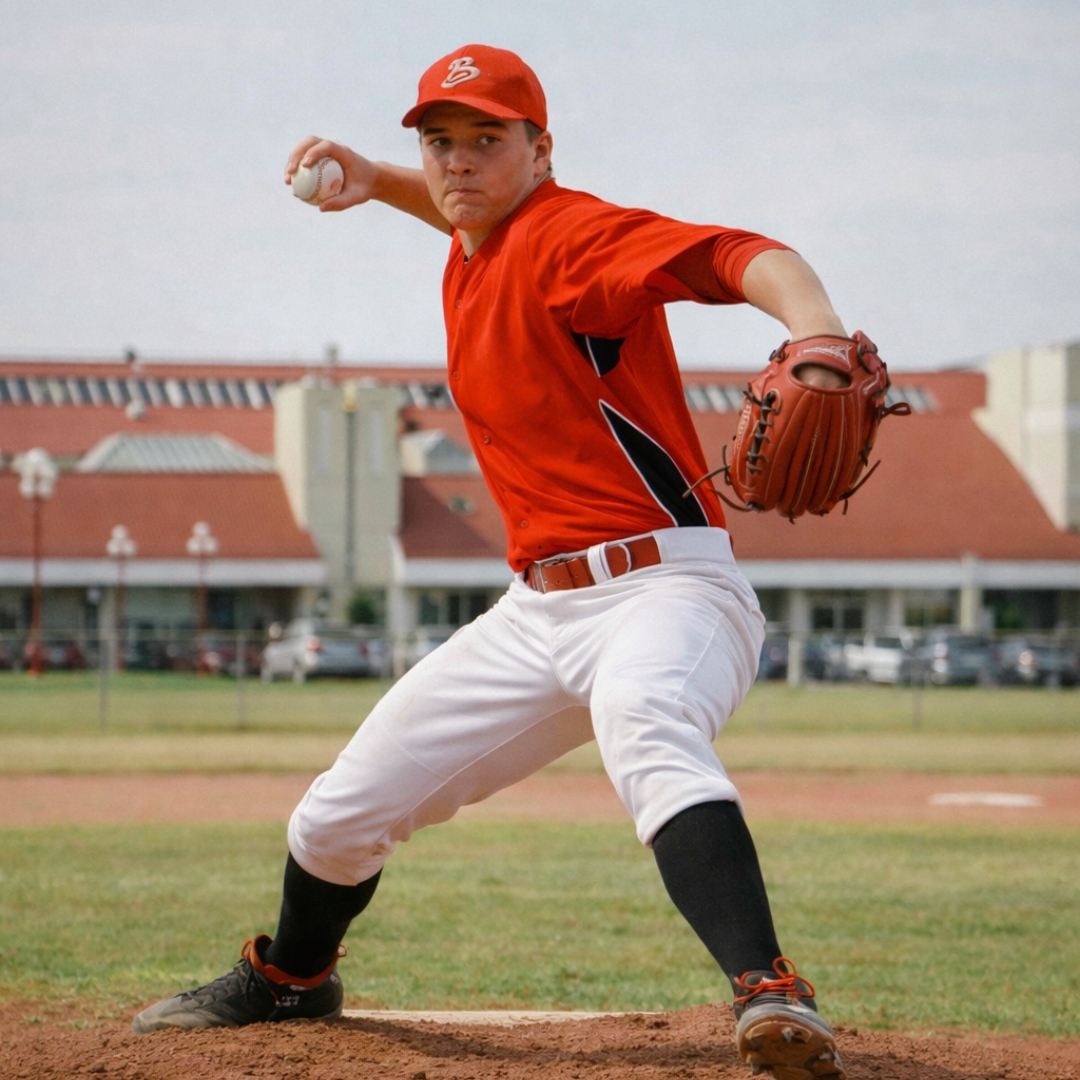
Shin Angle: A Window Into a Pitcher’s Timing and Power
Shin angle gives coaches immediate insight into whether a pitcher:
- Loads the back hip efficiently
- Generates true ground reaction force
- Sequences the lower body correctly
- Drives explosively toward the target
- A window to foot structure and function
- Places excess stress on the arm
A positive shin angle (shin angled slightly toward the target) is a sign that the foot pronated correctly, the tibia internally rotated, and the hip is set up to drive powerfully toward the plate. This pattern leads to later and more explosive hip rotation, improved stride efficiency, less arm drag, and often increased velocity.
A negative shin angle (shin angled away from the target) usually means the foot is stiff, supinated, or late to pronate. This delays hip loading, forces the pitcher to rush down the mound, reduces power, and increases arm stress — especially at the elbow.
The Foot: The Start of Every Good Pitch
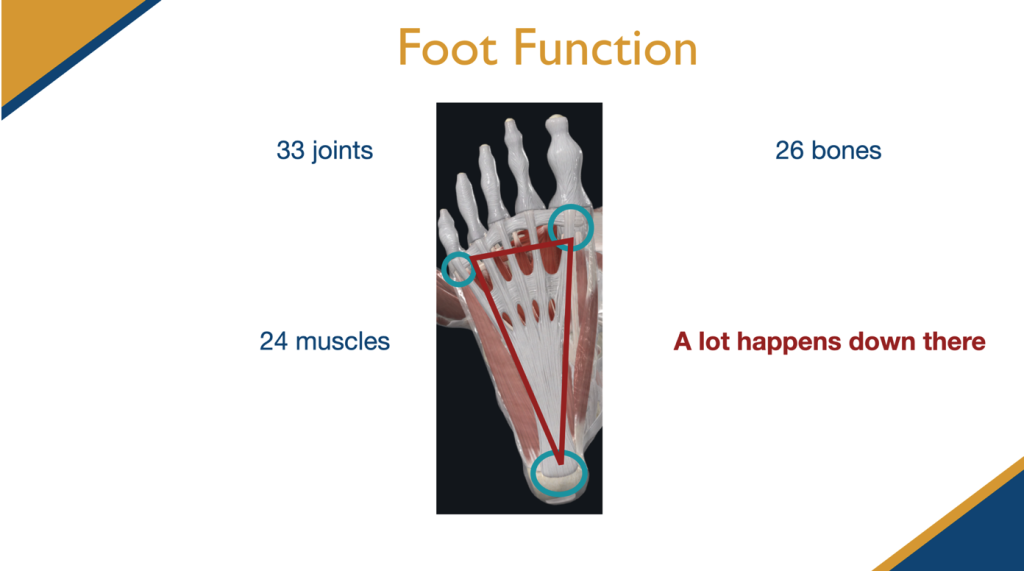
During the wind-up and load, the foot must create stability across three key points:
- The great toe (first toe joint)
- The fifth toe joint
- The heel
But the great toe is the game changer. (See the image at the end of this section)
When a pitcher loads into the back leg and applies force through the medial side of the foot, the foot naturally pronates. This opens the door for the tibia to internally rotate — the first step toward a positive shin angle.
In this moment, the back foot and shin are setting the stage for hip internal rotation, which is essential for storing elastic energy and transferring it into the stride.
Coaches should teach pitchers to “feel the inside of the foot” and maintain pressure through the great toe during the load. I call the force of the big toe into the ground, “squishing the bug”. Tell your players to squish the bug as they load, and they will feel more force through the leg into the hip.
Positive Shin Angle: The Efficient Loading Pattern
When the foot pronates correctly, you see a predictable chain reaction:
- The medial foot loads
- The tibia internally rotates
- The femur internally rotates
- The hip loads and prepares to drive
This creates leg–hip dissociation — meaning the leg can rotate through the ground while the hip lags slightly behind, building energy like a twisted rubber band. Pitchers with this pattern display powerful drive, better timing, and reduced arm stress.
Negative Shin Angle: When Foot Mechanics Break Down
Negative shin angle often follows a late or incomplete pronation pattern. This is common in pitchers with a high arch, stiff foot, or limited ankle mobility.
Here’s the chain reaction:
- The foot stays supinated
- The tibia rotates outward
- Hip internal rotation becomes delayed
- The pitcher pushes too quickly toward the plate
- The hip lags behind
- The arm must “catch up”
- Velocity drops and stress rises
Many coaches mistakenly try to fix this by moving the knee or adjusting the stride direction. But the real correction lies in restoring foot mobility, medial foot loading, and hip rotation capacity.
Early Heel Lift: A Major Power Leak
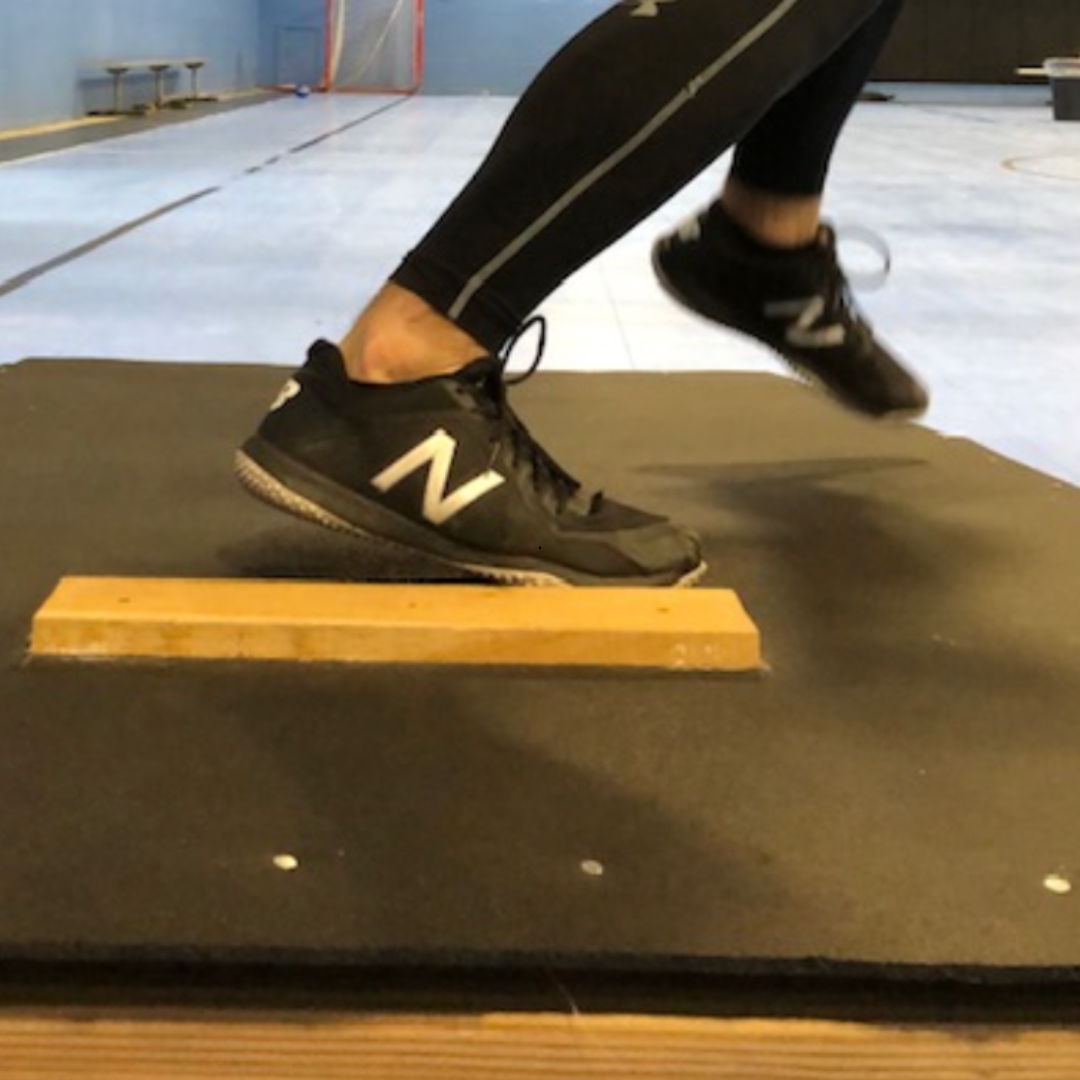
One of the biggest red flags coaches should watch for is early heel lift. When the heel pops up before the hip has fully loaded, the pitcher spins on the great toe instead of driving through the ground.
This eliminates leg–hip dissociation and causes the hip and leg to rotate together — a massive power leak.
The most common cause? Tight adductors (inner thigh muscles).
Tight adductors Causes the femur to rotate inward, keeping the knee flexed and forcing the heel to rise early as a compensation. Once the heel lifts, the chain reaction collapses — the hip can’t load, power drops, and timing disappears.
The fix isn’t mechanical. The fix is mobility.
Coaching Cues That Improve Shin Angle Immediately
Here are simple cues that reinforce correct biomechanics without overwhelming the athlete:
To promote positive shin angle:
- “Drive pressure through the inside of the foot.”
- “Load through the big toe….SQUISH THE BUG!”
- “Keep the heel down a little longer.”
- “Feel the shin turn toward home plate.”
To correct negative shin angle:
- “Slow down the backside — load first.”
- Mobilize the foot and ankle complex. Refer to the Pivotal Toe Touch Mobility Drill that has been provided.
- “Anchor the inside of the heel.”
- “Don’t rush down the mound.”
- “Loosen the groin — give the hip room to turn.”
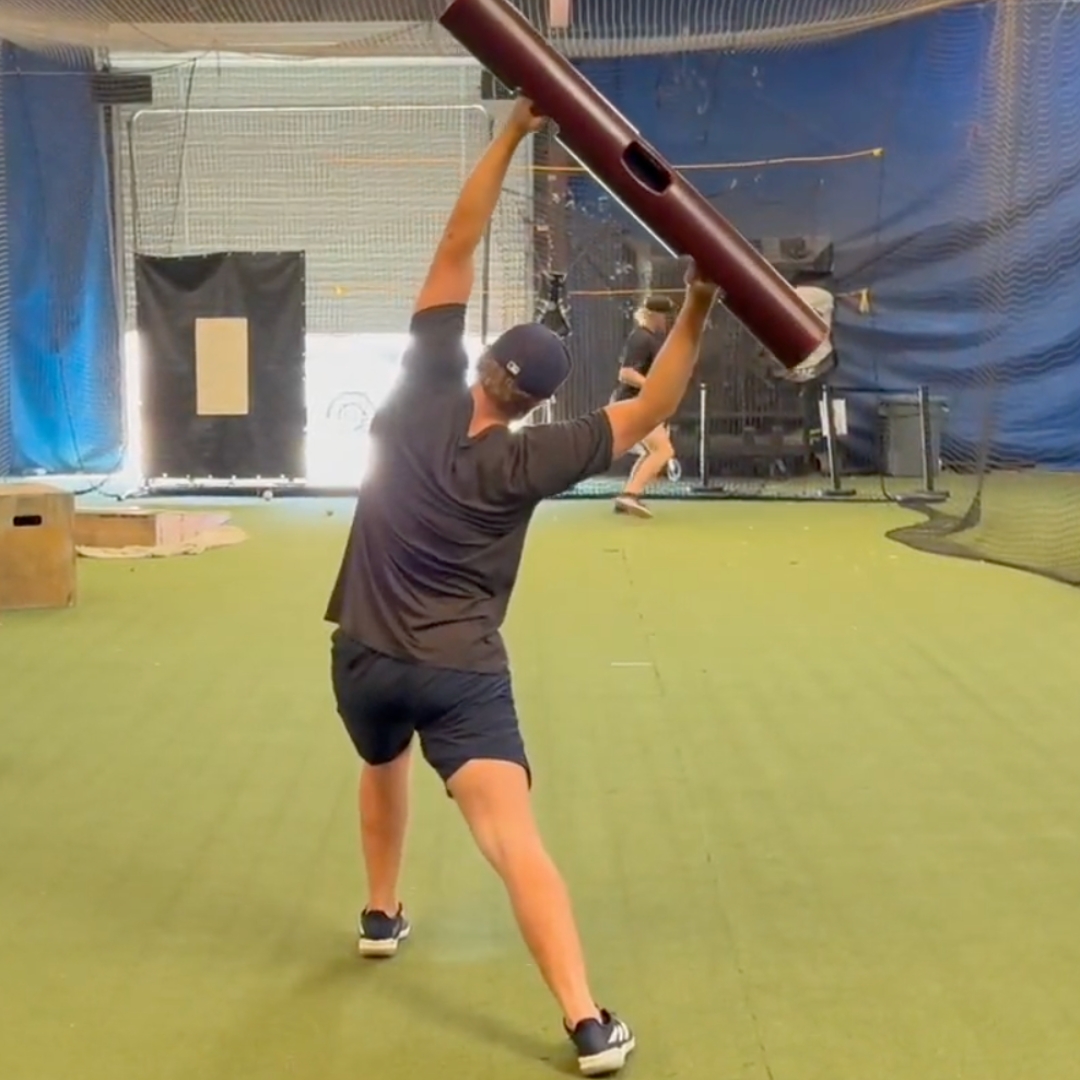
To get a better perspective, please view the video and graphics at the end of this blog.
Final Thoughts for Coaches
Shin angle isn’t a knee problem. It’s a foot–hip relationship that dictates how energy flows through the pitching motion.
When the foot loads correctly and the hip rotates on time:
✔️ Power increases
✔️ Timing improves
✔️ Velocity often rises
✔️ Elbow stress drops
Given the surge in elbow injuries — especially among 14–19-year-olds — coaches must shift attention away from “fixing the knee” and toward improving the movement patterns that create healthy, efficient throwing mechanics.