Walk onto any baseball field today and you’ll hear the same conversation repeated over and over: “How’s his arm?”
But here’s the uncomfortable truth—the elbow is usually the victim, not the culprit.
After more than four decades studying human movement and over a decade specifically analyzing throwing-related elbow injuries, one pattern shows up relentlessly: when the body can’t move well, the arm is forced to compensate. And when the arm compensates repeatedly, the elbow eventually pays the price.
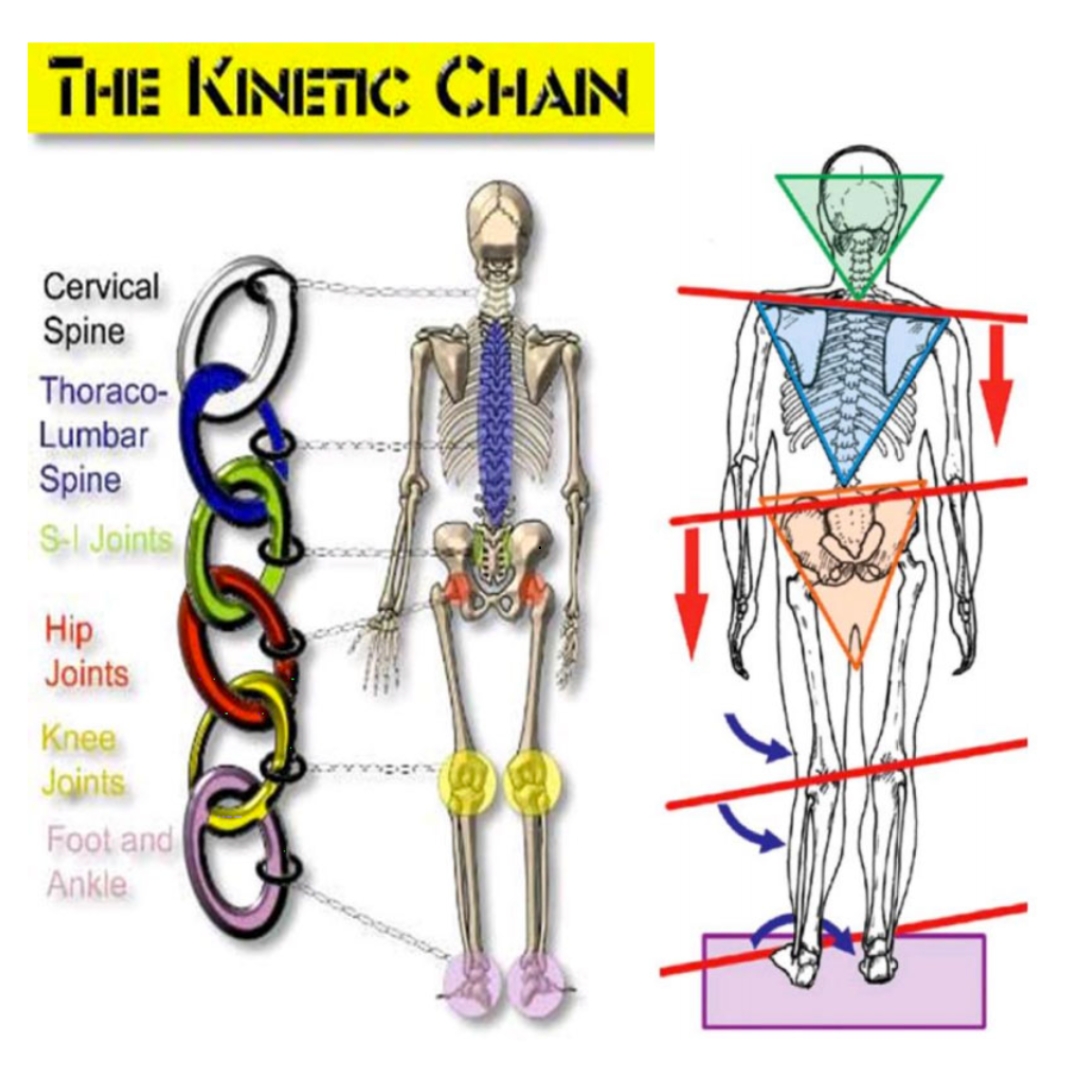
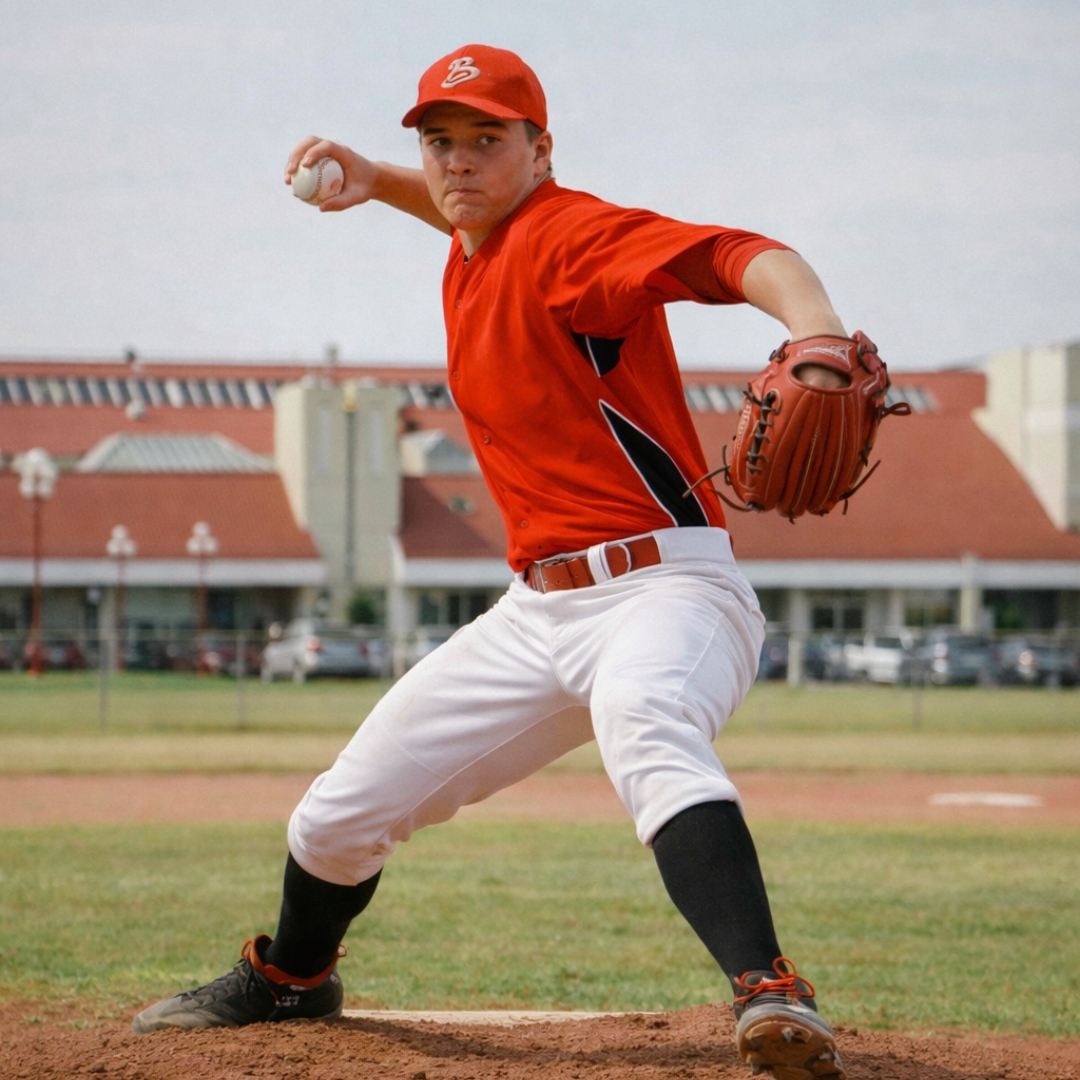
 Throwing is not an arm action. It is a full-body, ground-up movement that depends on timing, sequencing, and energy transfer. The feet interact with the ground. The hips accept and redirect force. The trunk rotates and stabilizes. The shoulder organizes motion. The elbow simply transmits energy already created elsewhere.
When any link in that chain breaks—limited hip rotation, poor foot grounding, restricted thoracic mobility—the arm is asked to do work it was never designed to handle alone.
This is why so many athletes present with “healthy elbows” structurally… right up until they don’t.
One of the biggest mistakes in modern throwing instruction is chasing mechanics without assessing movement capacity. If an athlete does not have the mobility, stability, or tissue tolerance required to reach a position, no cue in the world will make it safe.
Saving the Athletic Elbow is built on a simple principle:
Capacity determines mechanics, not the other way around.
Before correcting delivery patterns, we must first ask:
If the answer is no, mechanical corrections only increase stress.
The elbow sits at the end of the kinetic chain, which makes it easy to blame. Pain shows up there, imaging is focused there, and surgeries happen there. But the source of stress is almost always upstream.
When hips don’t extend, the arm accelerates harder.
If the hips have less than 30 degrees of internal hip rotation on the front side, it increases the elbow stress.
When the trunk doesn’t rotate, the elbow absorbs torque. When there is less than 45 degrees of thoracic rotation in each direction, the shoulder must Compensate, which places strain not only on the shoulder but the elbow.
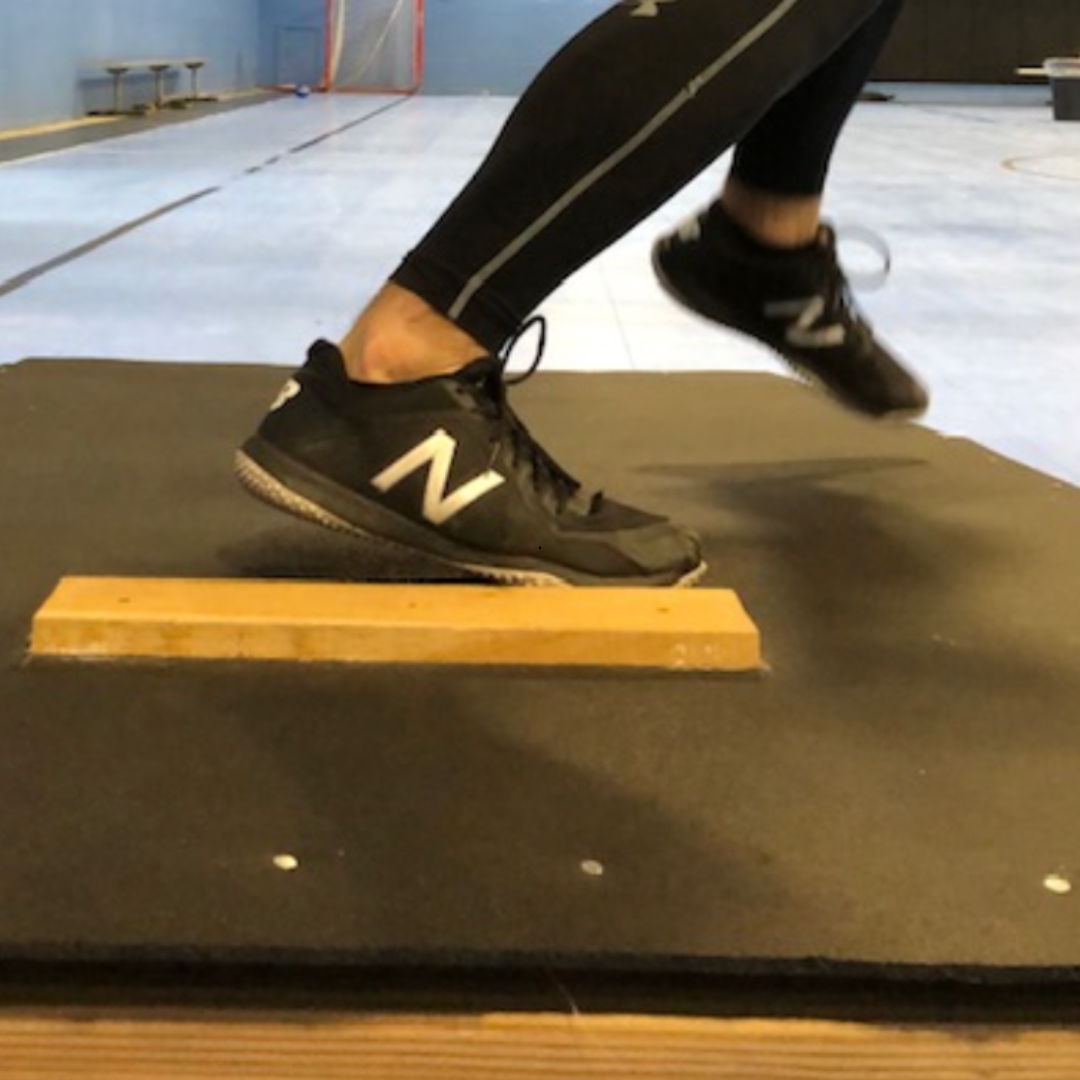
When the foot Is immobile. There is early heel off and spin out on the great toe.
This isn’t theory—it’s observable movement behavior.
Saving the Athletic Elbow is not a medical program. It does not diagnose, treat, or replace healthcare. Instead, it gives coaches and parents a movement-based lens to recognize risk before pain appears.
When coaches understand how movement limitations load the elbow, they can:
Healthy elbows don’t come from fewer throws alone. They come from better movement.