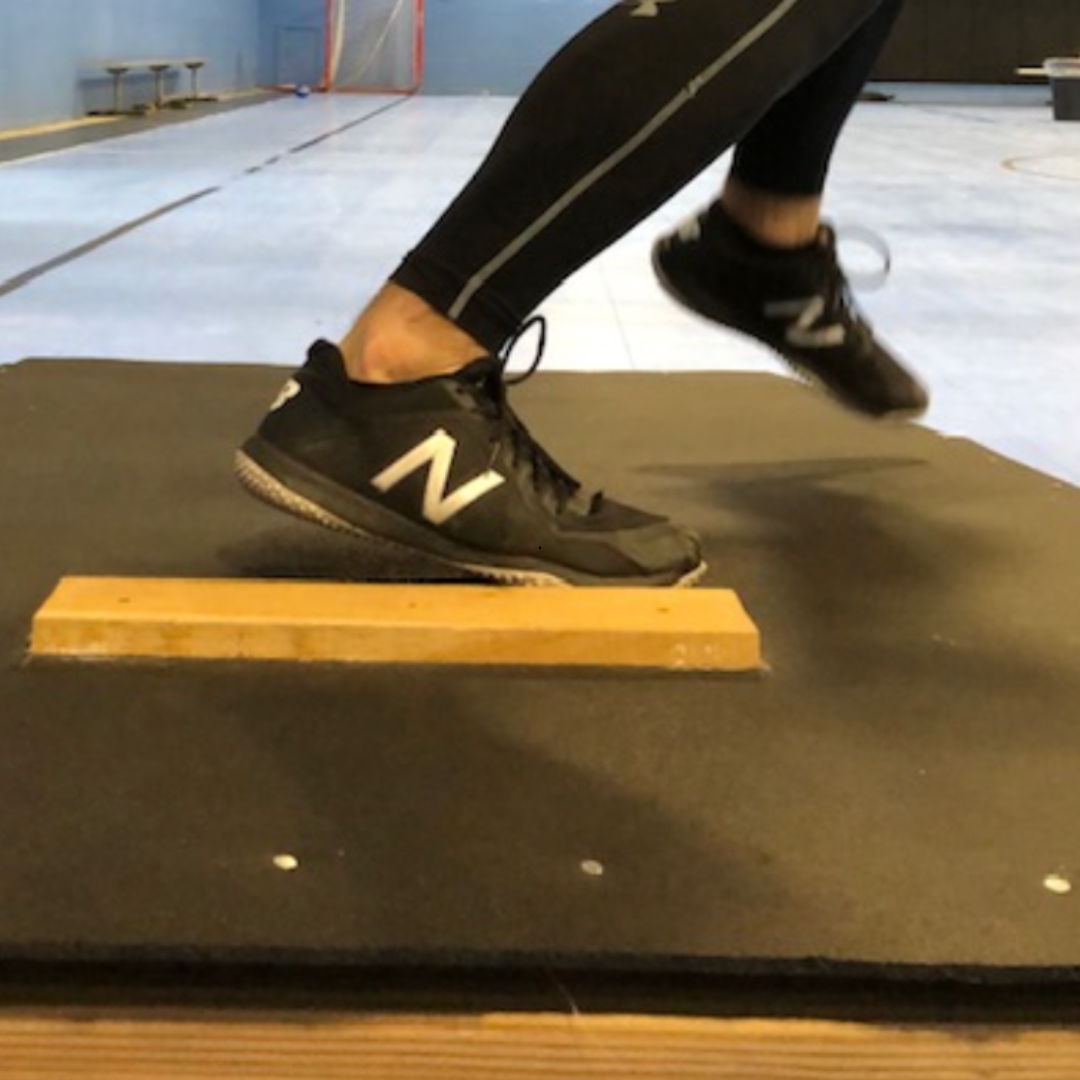
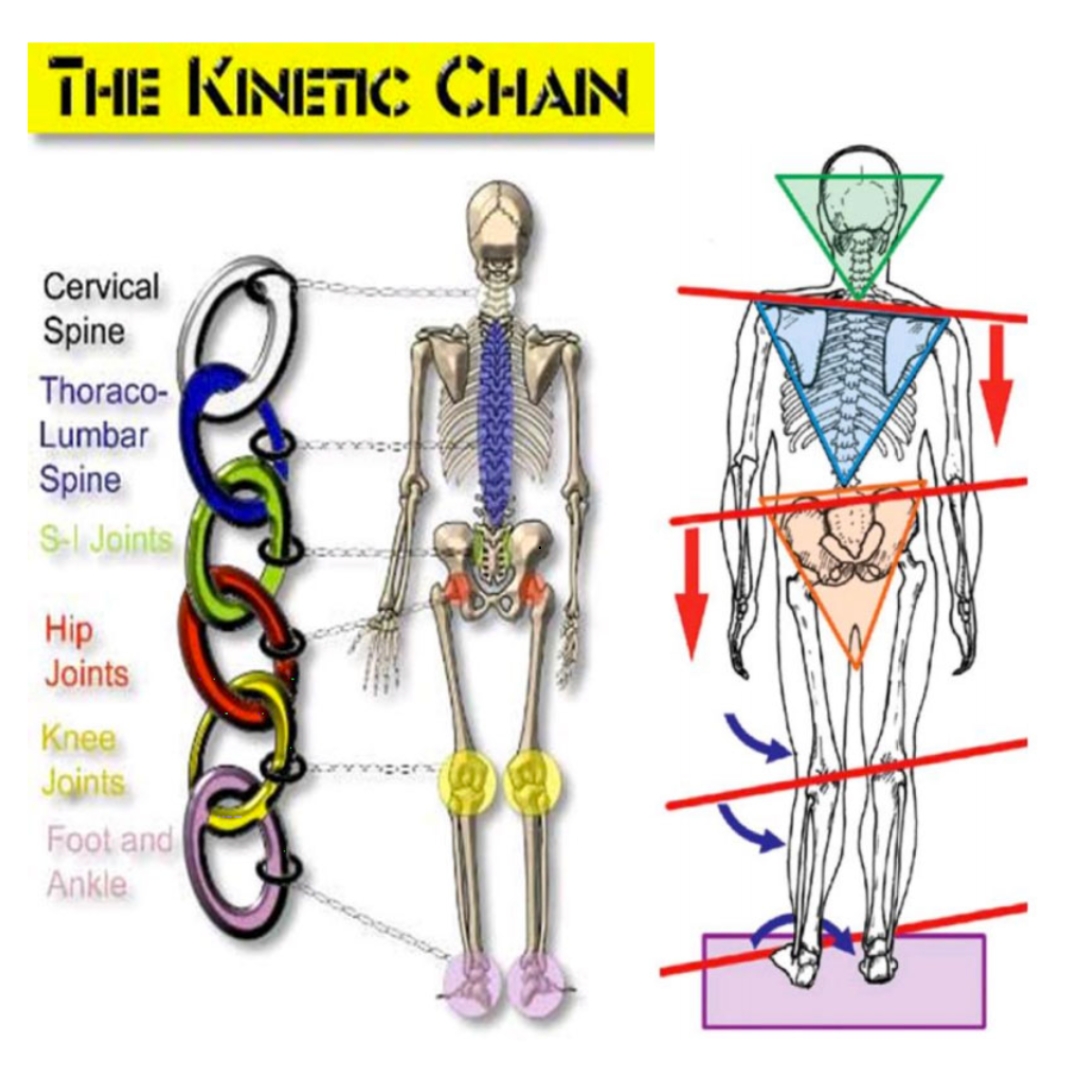
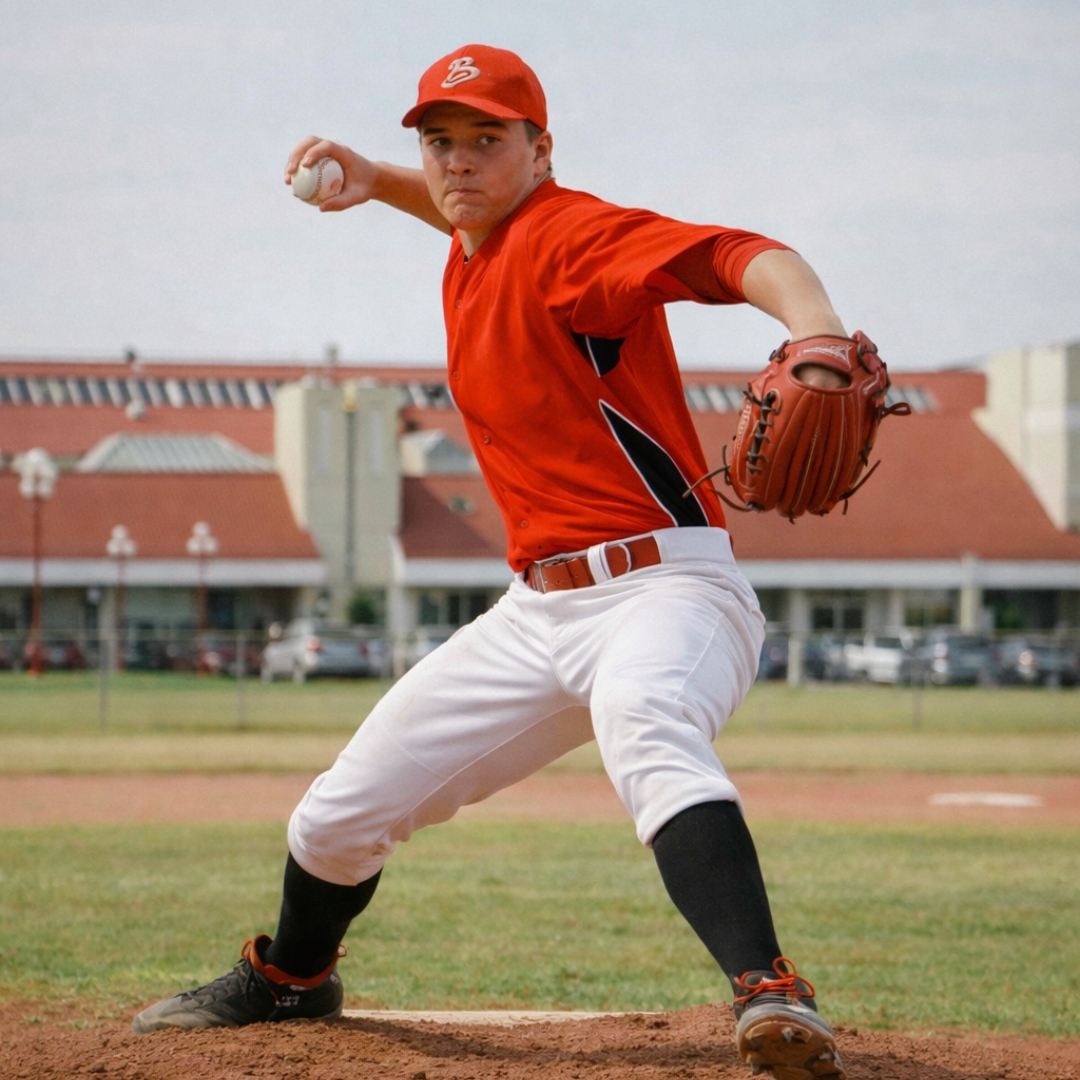
One of the most overlooked breakdowns in throwing mechanics happens below the knee—and it quietly robs pitchers of power while increasing elbow stress.
Early heel-off and spinning on the big toe are not style issues. They are movement consequences.
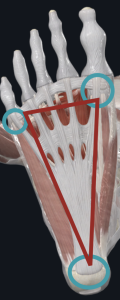
The foot’s job during pitching is simple but critical: communicate force to the hip. That communication requires three points of contact—the big toe, the fifth toe, and the heel—forming a stable base.
When this triangle collapses, the body cannot load properly. The hip never fully accepts force, and the arm is forced to accelerate harder to make up the difference.
Why Early Heel-Off Happens
Early heel-off rarely starts at the heel. It usually begins higher up the chain with:
When the adductors restrict hip motion, the knee collapses inward, the foot loses pronation, and the athlete spins instead of drives.
This is not a mechanical flaw—it’s a capacity limitation.
Spinning Costs Power—and Health
Spinning on the toe may look fast, but it disconnects the lower half from the trunk. Without proper grounding:
Velocity might appear in the short term. Longevity disappears.
Cueing “stay back” or “don’t spin” without restoring mobility only teaches compensation. True correction comes from improving:
When the foot can stay grounded longer, the heel lifts naturally as a result of hip rotation—not prematurely as a workaround. When driving down the mound, the hip rotation should lift the heel. Heel lift should not turn the hip.
To gain mobility in the foot and ankle complex, perform the Pivotal Toe Touch, which is an extremely effective pattern that mobilizes the foot and ankle complex and also strengthens the lateral gluteal region.
This is a central principle of Saving the Athletic Elbow: protect the arm by improving how the body moves as a system.
The elbow is rarely the problem. It’s usually the messenger. By addressing foundational movement limitations—especially in powerful regions like the adductors—we reduce the compensation, improve efficiency, and give athletes a better chance to throw harder, longer, and healthier.