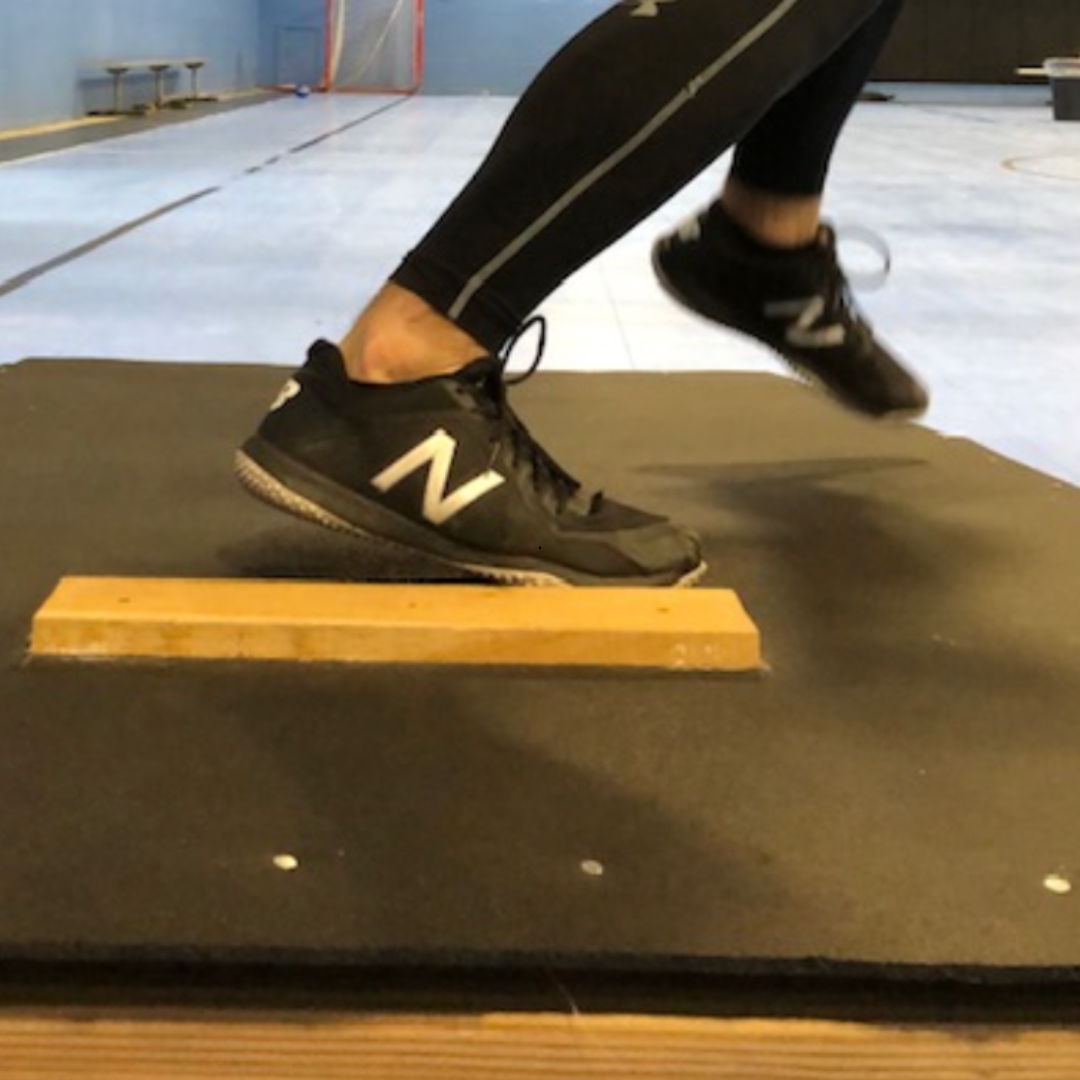
It gets passed down from coach to coach like a sacred tradition. ‘Go play catch to get loose.’ It sounds sensible. It is deeply problematic. And if you’re still running warm-ups this way, your pitchers’ elbows are paying the price before practice even begins.
Here is the physiological reality: throwing a baseball is one of the most violent, high-speed movements the human body can produce. Peak elbow valgus torque during a pitch — the outward-bending stress on the inside of the elbow where the UCL lives — can exceed the structural capacity of the ligament itself in athletes with poor mechanics or inadequate preparation. That stress begins on the very first throw, not after the arm is ‘warm.’
Using throwing as the warm-up assumes that the act of throwing generates the preparation needed for throwing. It does not. It generates load. Preparation is something you build before you introduce load — through mobility work, activation, and movement sequencing — so that when the arm does throw, the entire kinetic chain is organized and ready to share the demand.
Think about what a cold, unprepared kinetic chain looks like. The hips are stiff. The thoracic spine hasn’t been rotated through its full range. The glutes and hip stabilizers haven’t been activated. The rotator cuff muscles that control deceleration — the muscles responsible for absorbing the enormous forces of arm deceleration after ball release — are firing on low.
Into that environment, a coach says: ‘Go throw.’
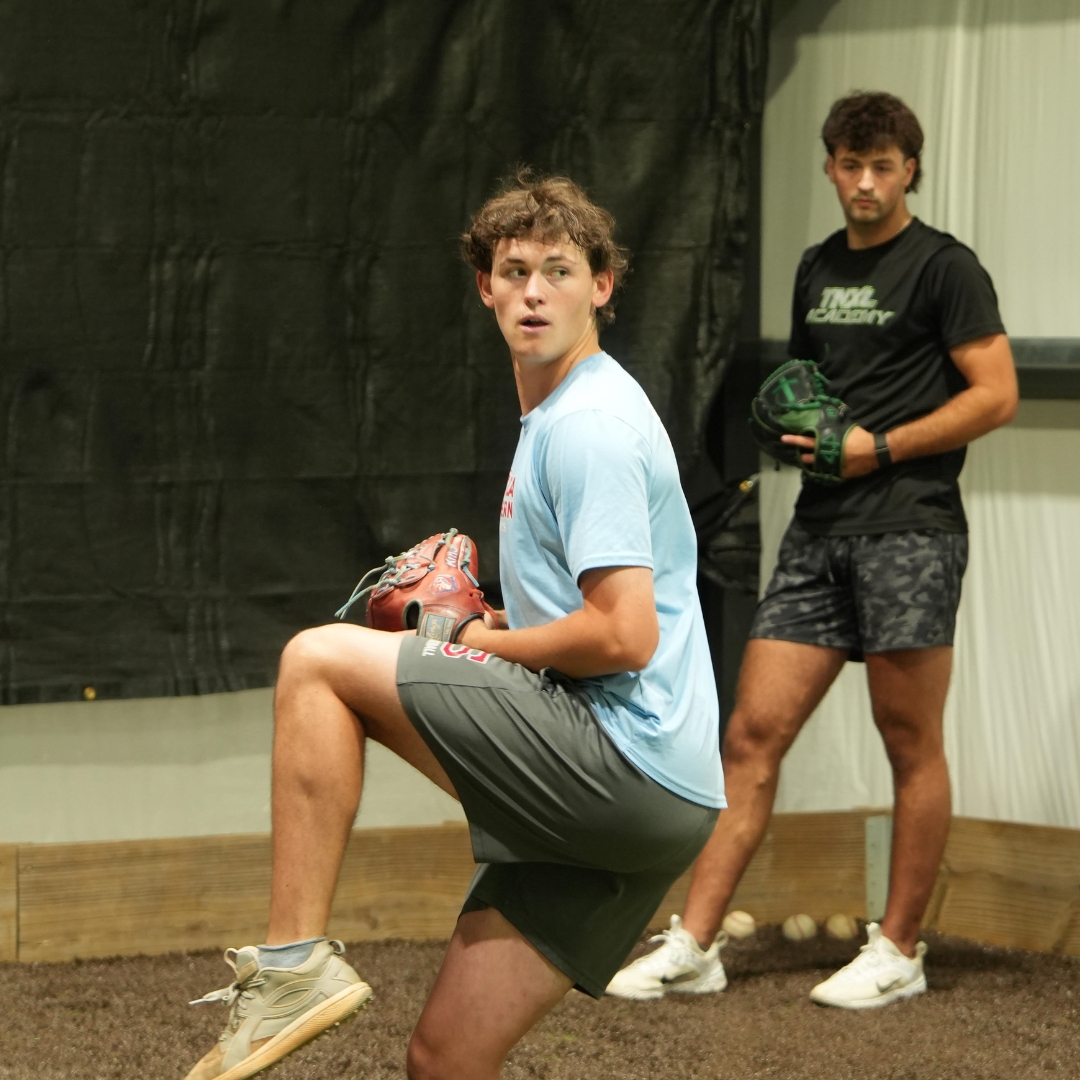
The arm compensates. It has to. The elbow and shoulder pick up the slack for a system that isn’t firing. And they do it on every single throw of that early catch session — before a pitch has even been counted, before anyone is watching mechanics, before the official workload of the day has started.
The fix is not complicated. It requires shifting warm-up culture away from throwing first and toward movement preparation first. Hip mobility, thoracic rotation, glute and hip abductor activation, light rotational medicine ball work — these activities take less than ten minutes and fundamentally change what the arm is working with when it finally starts throwing.
Coaches who make this shift consistently report that their athletes feel better through practice, maintain cleaner mechanics later in sessions when fatigue sets in, and recover faster between outings. The arm isn’t working harder. It’s working with more support.
The tradition of ‘go throw to warm up’ is not malicious. It is simply incomplete. The science moved on. The coaching has not caught up. That gap is where elbow injuries live.
Ready to go deeper? Enroll in Saving the Athletic Elbow and discover what movement-based arm care really looks like.